

Blog
Interview
Accessibility Means Creating Opportunities, Not Just Spaces
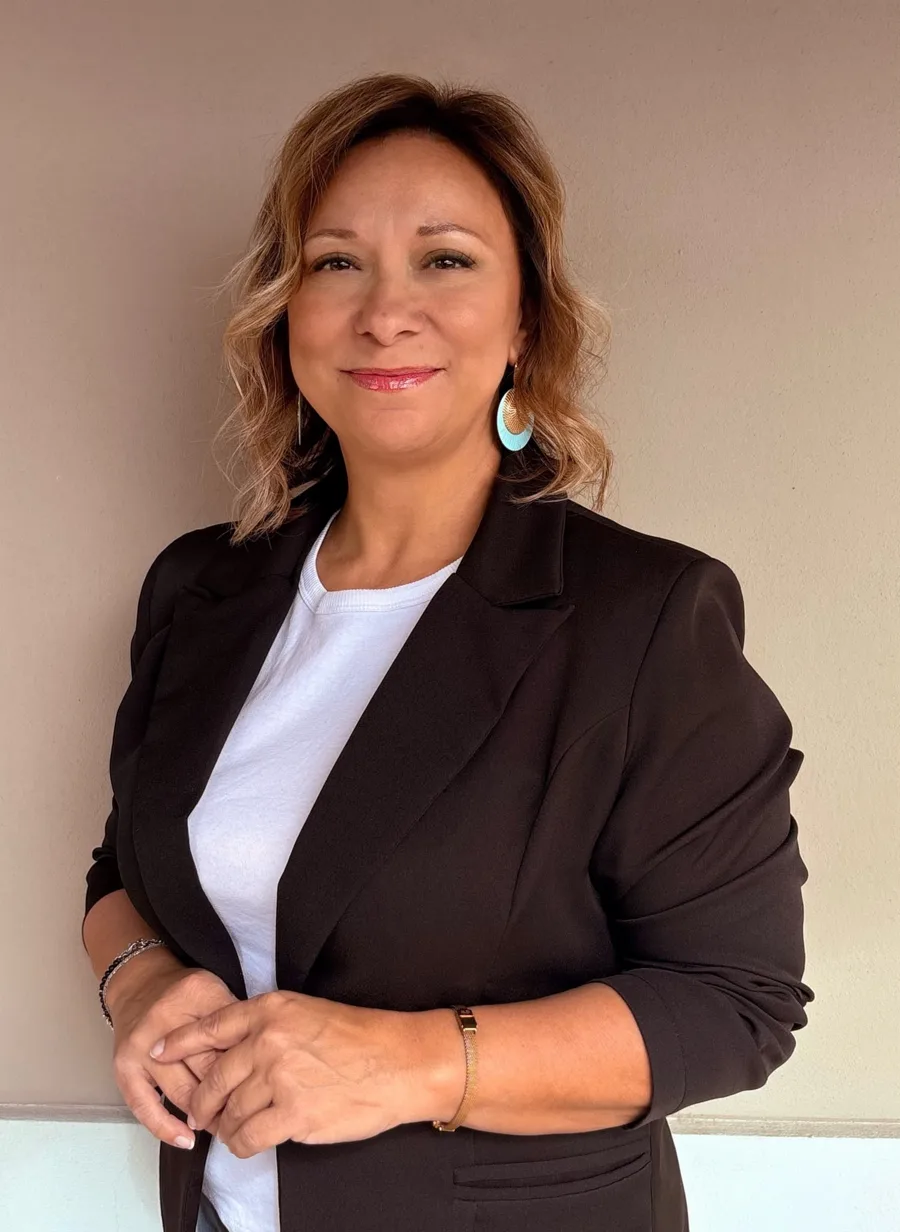
Meet Cristina Casali, Founder of Avventure Accessibili
When we think about accessibility, our minds often go straight to ramps, lifts, and architectural barriers. Yet accessibility is much more than that. It is about how people experience spaces, services, and everyday environments.
We spoke with Cristina Casali, founder of Avventure Accessibili, traveller, entrepreneur, and Disability Manager, whose personal journey has evolved into a mission: helping make tourism and public spaces more inclusive, welcoming, and accessible for everyone.
Who is Cristina, and how did Avventure Accessibili come to life?
I have always loved travelling and have lived with a physical disability my entire life. When I started travelling with my daughter, who shares the same disability, I realized how difficult it was to find meaningful information about accessibility.
I wasn’t simply looking for destinations labelled as accessible. I needed to understand whether they would actually meet our needs: how we could move around, what experiences were available, and what services we could rely on.
That need led to the creation of Avventure Accessibili, a project designed to share practical information, real-life experiences, and useful advice with travellers who want to explore the world with greater confidence and independence.
Over time, I became a certified Disability Manager to broaden my understanding of accessibility, including cognitive and sensory disabilities, and to contribute to a more comprehensive and inclusive approach.
Is there a destination that particularly impressed you for its accessibility?
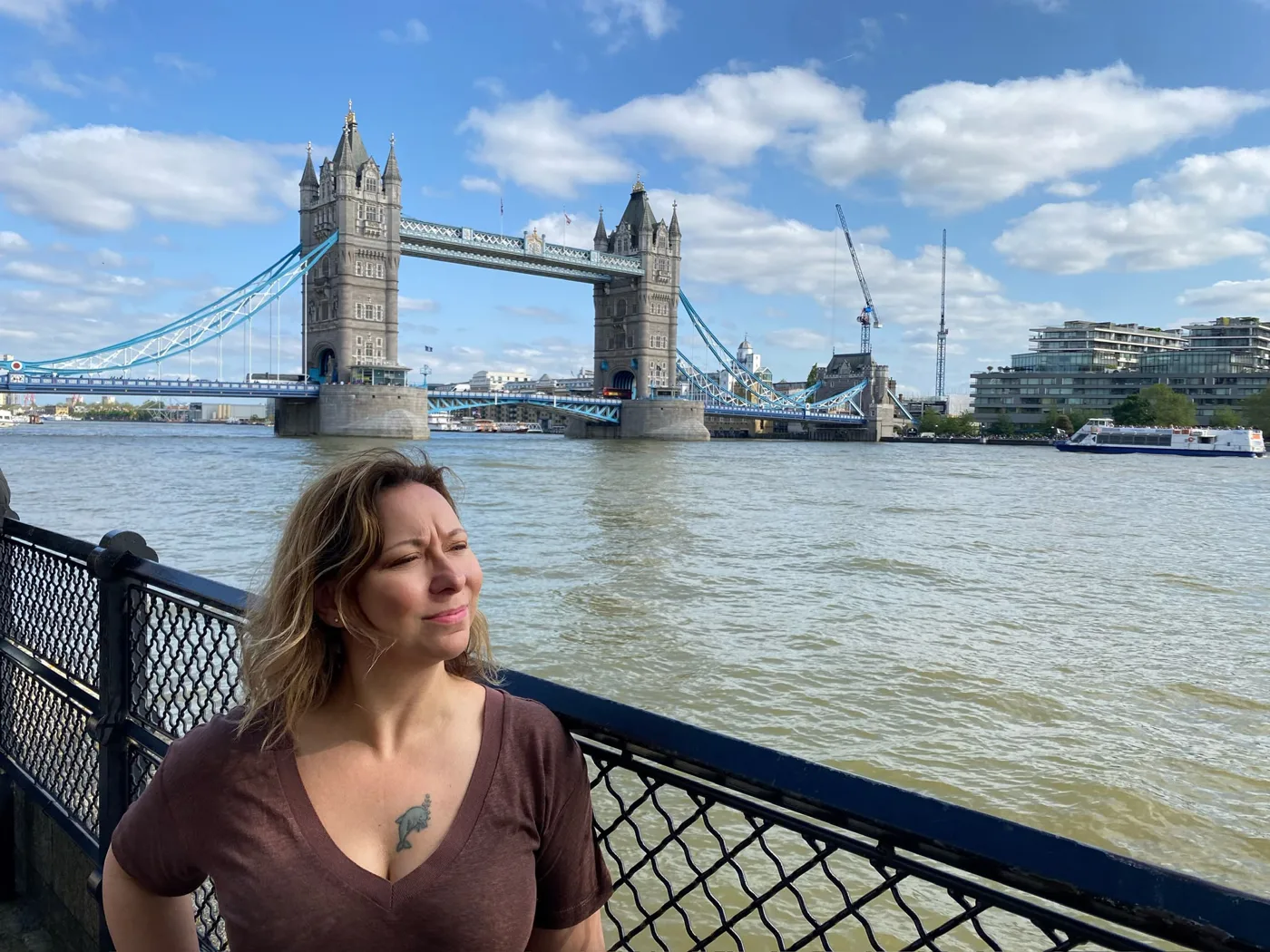
Without hesitation, Liverpool.
What stood out was not only the quality of its accessible infrastructure but also the mindset of the people. Accessibility felt embedded in the city’s DNA, rather than something added later as an adjustment.
This culture of inclusion is reflected in everyday interactions. More than once, complete strangers stopped to offer directions or assistance without being asked.
Amsterdam is another excellent example. Its public transport system has been designed with accessibility in mind, enabling people using wheelchairs to travel more independently and confidently.
What are the most significant barriers people still face today?
Surprisingly, they are not always physical.
Architectural barriers still exist, but attitudes and misconceptions often create even greater obstacles. People with disabilities are sometimes treated as though they are not autonomous, or conversations are directed to companions rather than to them directly.
That is why training and awareness are so important. Hotels, restaurants, and public-facing businesses should understand how to welcome and support every guest with respect and professionalism.
How important are the details when designing accessible spaces?
They are essential.
Take bathrooms, for example. Two people with the same disability may have entirely different needs. Something as simple as the placement of a grab rail can determine whether a person can use a space independently.
Accessibility is not always about major structural interventions. Often, it comes down to knowledge, awareness, and thoughtful design decisions that improve usability for everyone.
How would you describe the current situation in Italy?
There are excellent examples, but there is still considerable room for improvement.
Challenges often arise where infrastructure, transportation, and services need to work together. Historic cities, in particular, must balance accessibility requirements with architectural preservation.
One of the most important factors remains access to reliable information. When people understand exactly what to expect, they can plan confidently and maintain their independence.
How important is it to consider accessibility from the very beginning of a project?
It is fundamental.
The principles of Design for All should be integrated into every project, from buildings and public spaces to products and everyday objects.
Designing for everyone means creating environments that can accommodate people with different abilities, needs, and life stages. As populations age, this approach becomes not only desirable but necessary.
Do today’s designers and planners have the tools to do this effectively?
Not always.
Regulations are important, but compliance alone is not enough. True accessibility requires understanding how people interact with spaces in real life.
I have seen facilities that fully met legal requirements but were only accessible via stairs, making them effectively unusable for many people.
Creating genuinely inclusive environments requires both technical expertise and empathy.
What is still missing from the accessibility ecosystem?
Coordination.
Too often, each stakeholder focuses on a specific area without considering the wider user journey.
Accessibility is not just about an accessible hotel room or bathroom. It encompasses transportation, public services, daily experiences, and every interaction that contributes to an individual’s independence and quality of life.
A more integrated vision is needed.
How do you imagine Italy in ten years?
I hope for a country that is more aware, more inclusive, and more welcoming.
I spend a great deal of time working with schools because empathy and understanding begin at an early age. The children of today will become the architects, designers, engineers, and decision-makers of tomorrow.
By teaching inclusion from the start, we can build environments that naturally reflect the needs of a diverse society.
In one sentence, what does accessibility mean to you?
“Accessibility means having the opportunity to experience life and choose who we want to become.”
I often tell my daughter that it is not about whether something can or cannot be done. It is about finding a different way to do it.
Accessibility is not only about disability. It is about creating opportunities, enabling personal growth, and empowering people to participate fully in the world around them.
Beyond Accessibility: Designing for Better Living
Cristina Casali’s perspective highlights a powerful truth: accessibility is not simply a technical requirement or a regulatory obligation. It is a design philosophy that places people at the centre.
For architects, designers, hospitality professionals, and manufacturers, this means creating products and spaces that are safer, more comfortable, and more intuitive for everyone.
At Thermomat, we believe that thoughtful design can improve everyday life. When accessibility is considered from the outset, it does more than remove barriers: it creates opportunities, enhances wellbeing, and delivers better experiences for all.